
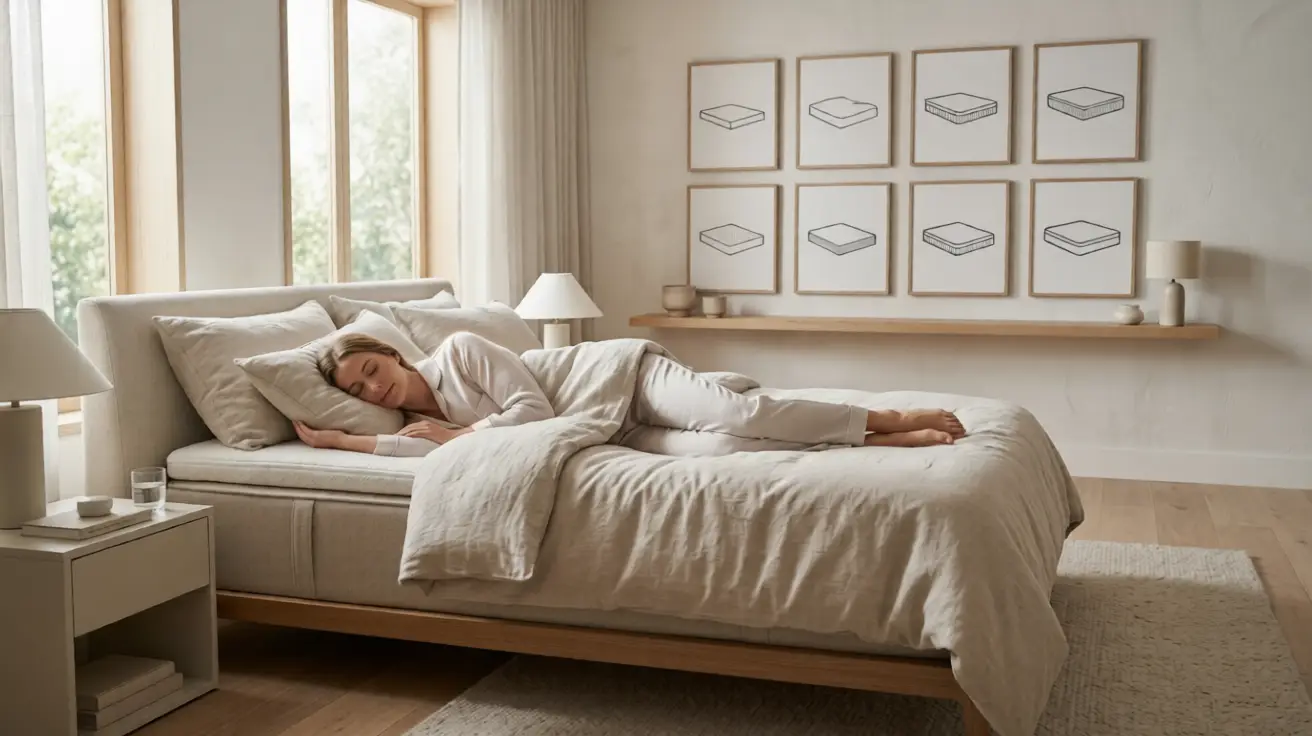

If you fall asleep comfy and wake up with a sore shoulder or an aching hip, your mattress is probably the problem. Side sleeping is the most common position by a wide margin, and it puts a lot of weight on two small areas: your shoulders and your hips. Get the firmness wrong, and those joints take the hit all night.
The fix isn’t just “buy something soft.” Side sleepers need a specific balance. The surface has to cushion the shoulder and hip enough to relieve pressure, but the layers underneath still have to hold your spine straight so you don’t sag into a hammock. Too soft and your alignment goes; too firm and your shoulder gets crushed.
Below are eight mattresses that hit that balance well, based on hands-on testing data from major review labs, pressure-mapping results, and verified owner feedback. Prices are for a queen and shift often with sales, so check the current number before you buy.
What side sleepers should actually look for
Before the picks, here’s the short version of what matters.
Firmness. Most side sleepers do best somewhere between medium-soft and medium-firm, roughly a 5 to 6.5 on a 10-point scale. Most side sleepers need a mattress in the 5-6 out of 10 firmness range, which is between a medium and medium-firm feel. Heavier sleepers usually want the firmer end so the hips don’t sink too far.
Pressure relief. This is the whole game for side sleepers. You want a comfort layer thick enough to let the shoulder and hip settle in without bottoming out. Memory foam and latex both do this well.
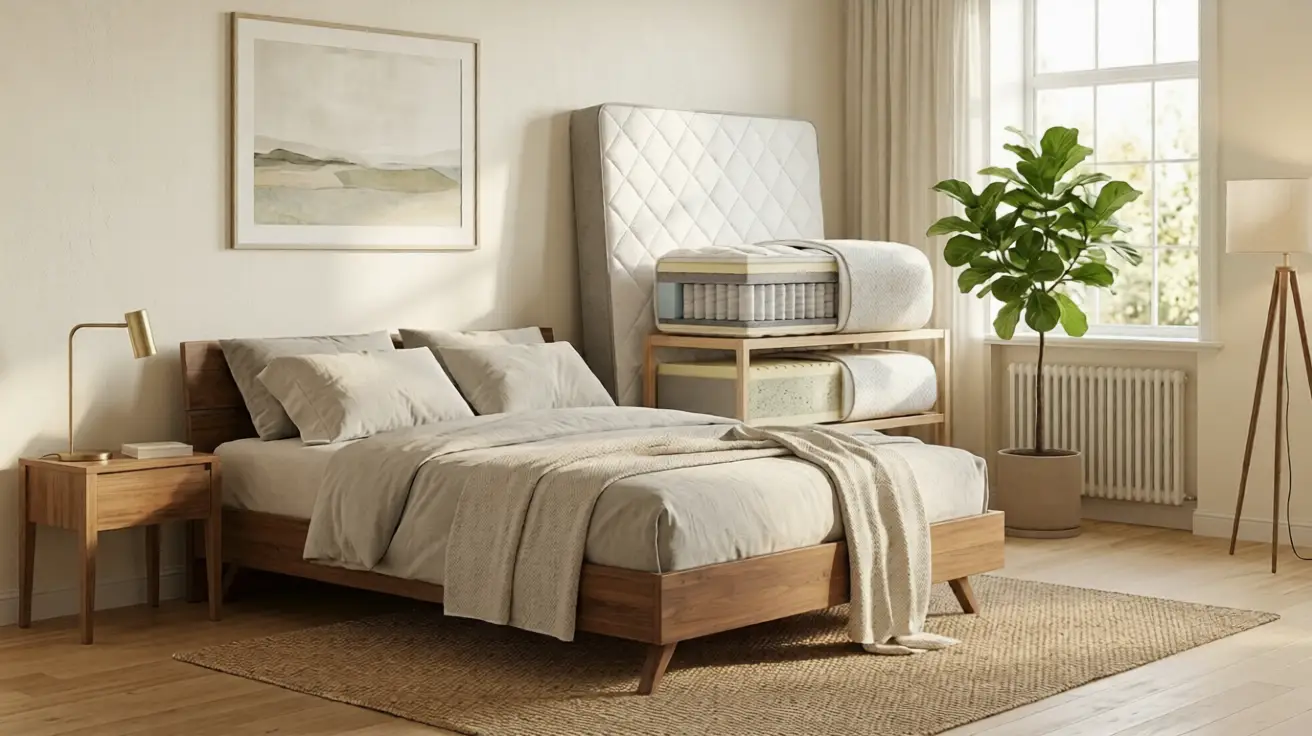
Support underneath. Cushion alone isn’t enough. A good coil system or dense foam core keeps your spine level even as your shoulders and hips dip slightly into the top layers.
Body weight. This changes everything. A 130-pound sleeper and a 230-pound sleeper need different firmness on the same bed. Most brands now build for specific weight ranges, so match the model to your size.
Now the picks.
1. Helix Midnight Luxe Best Overall
The Midnight Luxe shows up at the top of more side sleeper lists than any other bed in 2026, and the testing backs it up. It’s a medium-firm hybrid that rates around a 6 out of 10 on most firmness scales, a true medium-firm feel. The combination that makes it work: a plush pillow top that cushions the shoulders, plus zoned coils that firm up under the hips to stop sinkage.
In one reviewer’s pressure-mapping, the Midnight Luxe earned an overall score of 9.43, ranking it in the top 1% of all mattresses tested to date. Owner sentiment lines up too. Across 8,600-plus verified customer reviews on Helix’s own site, the Luxe averages 4.5 out of 5, with many side sleepers crediting its plush-but-supportive surface for deep pressure relief.
Price: Around $1,800 to $2,400 for a queen, depending on the source and any sale. It’s not cheap.
Pros: Excellent shoulder and hip pressure relief, strong cooling, good edge support, works for most body types.
Cons: Pricey, and it comes in a single firmness, so there’s no softer or firmer version to fall back on. Motion isolation is only okay, which matters if you share with a light sleeper.
Who should buy it: Average-weight and heavier side sleepers who want one bed that does almost everything well, especially hot sleepers.
Who should skip it: Lightweight sleepers with sensitive joints (it can read slightly firm) and anyone on a tight budget.
2. WinkBed Best for Couples and Picky Sleepers
The WinkBed’s advantage is flexibility. You can choose from four firmness levels, and if your first pick is wrong, you can swap it for a softer or firmer model at no extra charge. That matters a lot for side sleepers, because firmness preference is so personal and so tied to body weight.
The build is a zoned coil system under adaptive foam, which cushions and supports in roughly equal measure. Lighter side sleepers under 130 pounds tend to prefer the medium-soft version, average-weight sleepers do well on medium-firm, and the firm and “Plus” models suit anyone over 230 pounds. One lab named it their single best overall mattress after testing more than 400 beds.
Price: Roughly $1,500 to $1,800 for a queen.
Pros: Four firmness choices, free firmness swap, strong support, good value at the price.
Cons: No single “right” version means you have to think about which firmness fits you. Less plush out of the box than an all-foam bed.
Who should buy it: Couples with different firmness needs, and anyone unsure exactly how firm they want to go.
Who should skip it: Shoppers who want the cushiest possible foam feel.
3. Nectar Premier Best Memory Foam Value
If you specifically want that slow, sink-in memory foam hug, the Nectar Premier is the one to look at. One testing team named it their overall best for side sleepers after it earned their highest side-sleeping scores, and their side sleepers reported the most comfortable rest on it. Memory foam contours closely around the shoulder and hip, which is exactly what side sleepers need for pressure relief.
The tradeoff with foam is heat and bounce. Foam traps more warmth than coils and is slower to respond when you move, so it’s less ideal if you toss and turn or run hot.
Price: Typically lands in the lower-to-mid range for this list, often well under the hybrid picks.
Pros: Excellent contouring and pressure relief, strong motion isolation for couples, friendly price.
Cons: Sleeps warmer than hybrids, slower to respond when changing positions.
Who should buy it: Side sleepers who love a deep foam hug and want to spend less.
Who should skip it: Hot sleepers and restless combination sleepers.
4. Saatva Classic Best Innerspring Feel
The Saatva Classic is for people who don’t like the sinking sensation of foam and want something more traditional with a luxury finish. It’s an innerspring-style hybrid that comes in multiple firmness options, and it ships with free white-glove delivery and old-mattress removal, which most boxed brands don’t offer.
For side sleepers, choose the softest firmness option. The plush-soft and luxury-firm builds give the shoulders and hips room to settle while the coils keep everything aligned. A long trial period and strong company policies make it a low-risk pick.
Price: Starts around $1,095 to $1,600 for a queen depending on firmness and height.
Pros: Responsive innerspring feel, white-glove delivery, multiple firmness levels, generous trial and warranty.
Cons: Less contouring than foam, so deep pressure-relief fans may want more cradle.
Who should buy it: Side sleepers who want a classic, bouncy feel and don’t want to wrestle a mattress out of a box.
Who should skip it: Anyone craving that close memory-foam hug.
5. Nolah Evolution Hybrid Best Cooling
Side sleepers face a frustrating tradeoff: the soft, hugging surfaces that relieve pressure also tend to trap heat. The Nolah Evolution is built to break that pattern. Its progressively denser foam layers feel plush on contact but resist deep sinkage, and the zoned, reinforced coil system holds the midsection and edges firm. The result is pressure relief without the swampy heat that plagues softer beds.
At 15 inches tall, it’s a high-profile mattress that needs deep-pocket fitted sheets.
Price: Mid-to-upper range, often discounted heavily during sales.
Pros: Strong cooling, plush surface with good underlying support, sturdy edges.
Cons: Tall profile needs special sheets; price is on the higher side at list.
Who should buy it: Side sleepers who sleep hot but still want a soft, pressure-relieving top.
Who should skip it: Anyone who wants a low-profile bed or has a low bed frame.
6. Bear Elite Hybrid Best for Aches and Recovery
The Bear Elite Hybrid earns its spot on the strength of real-world results, not just lab numbers. In one publication’s testing, a couple in their 70s dealing with joint pain tried it: one saw meaningful improvement in knee pain, while the other reported no shoulder or hip pain side sleeping. It earned near-perfect ratings, including top marks for back, stomach, and side sleeping, which is a rare sweep across all three positions.
It comes in soft, medium, and firm. Side sleepers should lean toward soft or medium.
Price: Upper-mid range for a queen.
Pros: Excellent pressure relief, multiple firmness options, strong reviews from sleepers with joint pain.
Cons: Premium pricing; the firm version is too hard for most side sleepers.
Who should buy it: Side sleepers with shoulder, hip, or joint pain who want recovery-focused comfort.
Who should skip it: Bargain hunters.
7. Tempur-Pedic ProAdapt Best Premium Pressure Relief
If budget isn’t the constraint and you want the deepest possible cradle, the Tempur-Pedic ProAdapt is the benchmark. Its dense, body-conforming foam is the closest thing to melting into the bed. A dedicated side sleeper who tested it for nearly three months described the pressure relief as a dream from the first night, saying it enveloped her shoulders and hips rather than creating pressure. It scored 5 out of 5 for side-sleeping comfort and nearly eliminated motion transfer from a partner.
The catch is the price. Tempur-Pedic sits at the top of the market, and you pay for the material.
Price: Among the most expensive on this list.
Pros: Best-in-class contouring and pressure relief, outstanding motion isolation for couples.
Cons: Expensive; proprietary foam runs warm unless you add the cooling cover; slow to respond.
Who should buy it: Side sleepers who want maximum pressure relief and have the budget for it.
Who should skip it: Anyone price-sensitive or who dislikes a deep-sinking feel.
8. Brooklyn Bedding Titan Plus Luxe Best for Heavier Side Sleepers
Most beds on this list are tuned for sleepers under 230 pounds. The Titan Plus Luxe is built specifically for heavier bodies, where the rules change. A standard soft mattress lets heavy hips sink too far and wrecks spinal alignment, so heavier side sleepers actually need a firmer, more reinforced surface that still cushions the shoulder.
The Titan Plus uses heavy-duty coils and dense foam to resist deep compression and sagging, which is the failure point for most beds under more weight.
Price: Mid range, strong value for a specialty build.
Pros: Built for durability and support under higher weight, holds alignment well, won’t develop body impressions quickly.
Cons: Too firm for lightweight or average-weight side sleepers.
Who should buy it: Side sleepers over roughly 230 pounds who need real support without losing all cushioning.
Who should skip it: Lighter sleepers, who’ll find it too hard.
Quick comparison
| Mattress | Best for | Type | Firmness | Queen price (approx.) |
| Helix Midnight Luxe | Overall | Hybrid | Medium-firm (6) | $1,800–$2,400 |
| WinkBed | Couples / picky sleepers | Hybrid | 4 options | $1,500–$1,800 |
| Nectar Premier | Foam value | Memory foam | Medium-firm | Lower-mid |
| Saatva Classic | Innerspring feel | Hybrid | 3 options | $1,095–$1,600 |
| Nolah Evolution | Cooling | Hybrid | Plush/luxury | Mid-upper |
| Bear Elite Hybrid | Aches / recovery | Hybrid | 3 options | Upper-mid |
| Tempur-Pedic ProAdapt | Premium relief | Memory foam | Soft–medium | High |
| Titan Plus Luxe | Heavier sleepers | Hybrid | Firmer | Mid |
How we chose these picks
These selections pull from hands-on lab testing, pressure-mapping data, and verified owner reviews rather than spec sheets alone. The labs behind this category test in consistent ways: testers representing lightweight, average, and heavyweight body types lie on each bed in the side and back positions and rate pressure relief out of 5, with above-average performance starting around 3.8. Every bed here clears that bar for its intended sleeper, and several were vetted by physical therapists and sleep physicians for pain relief, not just comfort.
How to choose the right one for you
Start with your body weight, because it decides your firmness more than anything else. If you’re under about 130 pounds, lean softer so your shoulder can sink in; the Nectar Premier or a soft WinkBed works. Average weight gives you the most options, and the Helix Midnight Luxe is the safe default. Over 230 pounds, go firmer and more reinforced with the Titan Plus Luxe or a firm WinkBed.
Then factor in your other needs. Run hot? Nolah Evolution or the Helix. Share with a restless partner? Tempur-Pedic or Nectar for motion isolation. Deal with chronic shoulder or hip pain? The Bear Elite or Tempur-Pedic. Want zero risk? Pick a brand with a long trial so you can return it if your shoulder isn’t happy after a few weeks.
FAQ
What firmness is best for side sleepers?
Most side sleepers do best between medium-soft and medium-firm, around a 5 to 6.5 out of 10. Side sleepers generally do best with a bed slightly softer than medium-firm, because that cushions the key pressure points at the shoulders and hips. Heavier sleepers should go a notch firmer to keep the hips from sinking too far.
Is memory foam or hybrid better for side sleepers?
Both work. Memory foam contours more closely for deeper pressure relief but runs warmer and feels slower. Hybrids add coils for support, bounce, and cooling. Many sleep specialists lean toward hybrids for side sleepers because the coil-plus-comfort-layer design delivers structural support and pressure relief together, though foam and latex can work just as well depending on the build.
Why do my shoulders and hips hurt when I sleep on my side?
Because of where your weight lands. When you sleep on your side, most of your body weight concentrates on your shoulders and hips, which creates pressure that can irritate or inflame the joints and add to lower back tension. A mattress that cushions those points without letting the rest of you sink fixes most of it.
How much should I spend on a good side sleeper mattress?
You can find solid options across a wide range. Many of the best side sleeper mattresses run roughly $1,599 to $2,374 for a queen, but value picks like the WinkBed and Saatva start lower, and prices drop further during frequent sales. Don’t assume the most expensive bed is the best one for your body.
Is side sleeping actually good for you?
For most people, yes. Experts note that side sleeping supports spinal alignment and may reduce issues like acid reflux and snoring, which is part of why it’s often called the healthiest sleep position. The right mattress is what keeps it comfortable.
The bottom line
For most side sleepers, the Helix Midnight Luxe is the easiest recommendation. It nails the shoulder-and-hip pressure relief side sleepers need, holds your spine straight, sleeps cool, and works across body types. If you’d rather not gamble on a single firmness, the WinkBed lets you dial it in and swap for free. Want to spend less? The Nectar Premier and Saatva Classic both punch above their price. And if you’re heavier or dealing with real joint pain, the Titan Plus Luxe and Bear Elite are built for exactly that.
Whatever you pick, buy from a brand with a real sleep trial. Your shoulder will tell you within a few weeks whether you got it right, and you want the option to send it back if it didn’t.