


If you wake up sweaty at 3 a.m. every summer, your sheets might be the problem. Cotton holds heat. Polyester blends trap it. Linen does neither, which is why hot sleepers keep coming back to it year after year.
Linen is woven from flax fibers, which are naturally hollow and loosely spun. That structure lets air move through the fabric and pulls moisture away from your skin instead of letting it pool. The result is bedding that feels cool when you get in and stays dry through the night.
The catch? Not all linen is created equal. Some sets feel scratchy for months. Others pill, shrink, or cost more than a decent mattress. After comparing dozens of options, checking long-term owner reviews, and digging through what real buyers say on Reddit and elsewhere, these six sets stand out in 2026.
Quick Comparison
| Sheet Set | Best For | Material | Price Range (Queen) |
| Brooklinen Linen Core | Best overall | 100% European flax | $$$ (around $299) |
| Quince European Linen | Best value | 100% European flax | $$ (around $170) |
| Sijo LuxeWeave | Softest for hot sleepers | 100% French flax | $$$ |
| Saatva Linen | Best luxury feel | 100% Belgian flax | $$$$ |
| Bed Threads French Flax | Best color selection | 100% French flax | $$$ |
| Coyuchi Organic Relaxed | Best organic pick | 100% organic linen | $$$$ |
Prices shift with sales, so treat these as ballpark figures. Linen brands run promotions constantly, especially around summer.
1. Brooklinen Linen Core — Best Overall
Brooklinen’s linen sheets earn the top spot for one simple reason: they get almost everything right without any major weak point.
The set is made from 100% European flax, stonewashed before shipping so it arrives soft and pre-shrunk. That last part matters more than it sounds. Cheaper linen often shrinks noticeably after the first wash, and suddenly your fitted sheet won’t stretch over the mattress corners.
What we like:
- Soft out of the box, and it keeps softening with every wash
- Lightweight weave that breathes well on warm nights
- One of the widest color and pattern ranges in the linen market
- Handmade and hand-dyed, with consistent quality control
What we don’t:
- Full price sits near the top of the mid-tier bracket
- The flat sheet runs slightly short for very deep mattresses
Who should buy it: Anyone who wants a safe, well-rounded first linen purchase and cares about matching their bedroom’s look.
Who should skip it: Bargain hunters. Quince gets you 90% of the way there for a lot less.
2. Quince European Linen — Best Value
Here’s the honest truth about the Quince European Linen Sheet Set: side-by-side comparisons keep showing it performs nearly as well as sets costing $100+ more. Apartment Therapy’s editors tested it directly against Brooklinen and picked Quince as the smarter buy.
The sheets are made from 100% European flax, OEKO-TEX certified, and pre-washed for softness. Quince sells direct-to-consumer with no retail markup, which is how a queen set lands around $170 while comparable linen elsewhere starts at $250.
What we like:
- The best price-to-quality ratio in linen bedding right now
- Strong moisture-wicking, which hot sleepers consistently praise
- Fitted sheet has elastic all the way around and fits mattresses up to 16 inches deep
- 365-day return window
What we don’t:
- Fewer color options than Brooklinen or Bed Threads
- Mid-weight fabric feels slightly heavier than ultra-airy competitors
Who should buy it: First-time linen buyers, budget-conscious shoppers, and anyone furnishing multiple beds.
Who should skip it: People who want a featherlight, gauzy linen. This one has a bit more body.
3. Sijo LuxeWeave — Softest for Hot Sleepers
Most linen needs five or six washes before it stops feeling like a burlap sack. The Sijo LuxeWeave is the exception. Testers at Sleep Doctor found it soft straight out of the package, and their hot sleepers specifically praised how breathable it stayed through the night.
Made from French flax and stonewashed, this set hits a sweet spot: airy enough for July, substantial enough that you won’t need to replace it in the fall.
What we like:
- Genuinely soft on night one, no break-in period
- Excellent airflow for sweaty sleepers
- Durable weave that holds up to frequent washing
What we don’t:
- Limited stock during peak summer months
- Slightly smaller color palette than the big players
Who should buy it: Hot sleepers who tried linen before, hated the initial roughness, and gave up.
Who should skip it: Anyone shopping purely on price.
4. Saatva Linen — Best Luxury Feel
Saatva built its reputation on mattresses, but its Belgian linen sheets deserve attention on their own. Reviewers describe an airy, luxurious feel that wicks moisture and spreads heat in summer while still insulating in winter. If you want one set of sheets for all twelve months, this is the strongest case.
The texture strikes a nice balance too. It’s soft, but it keeps that slightly rustic, lived-in character that makes linen feel like linen.
What we like:
- True year-round performance, not just a summer sheet
- Premium Belgian flax with a noticeably refined drape
- Generous sizing that fits thick mattresses
What we don’t:
- One of the priciest sets on this list
- Overkill if you only want linen for the hot months
Who should buy it: Sleepers replacing their entire bedding setup who want one set to rule the year.
Who should skip it: Summer-only linen users. Save the money and grab Quince.
5. Bed Threads French Flax — Best Color Selection
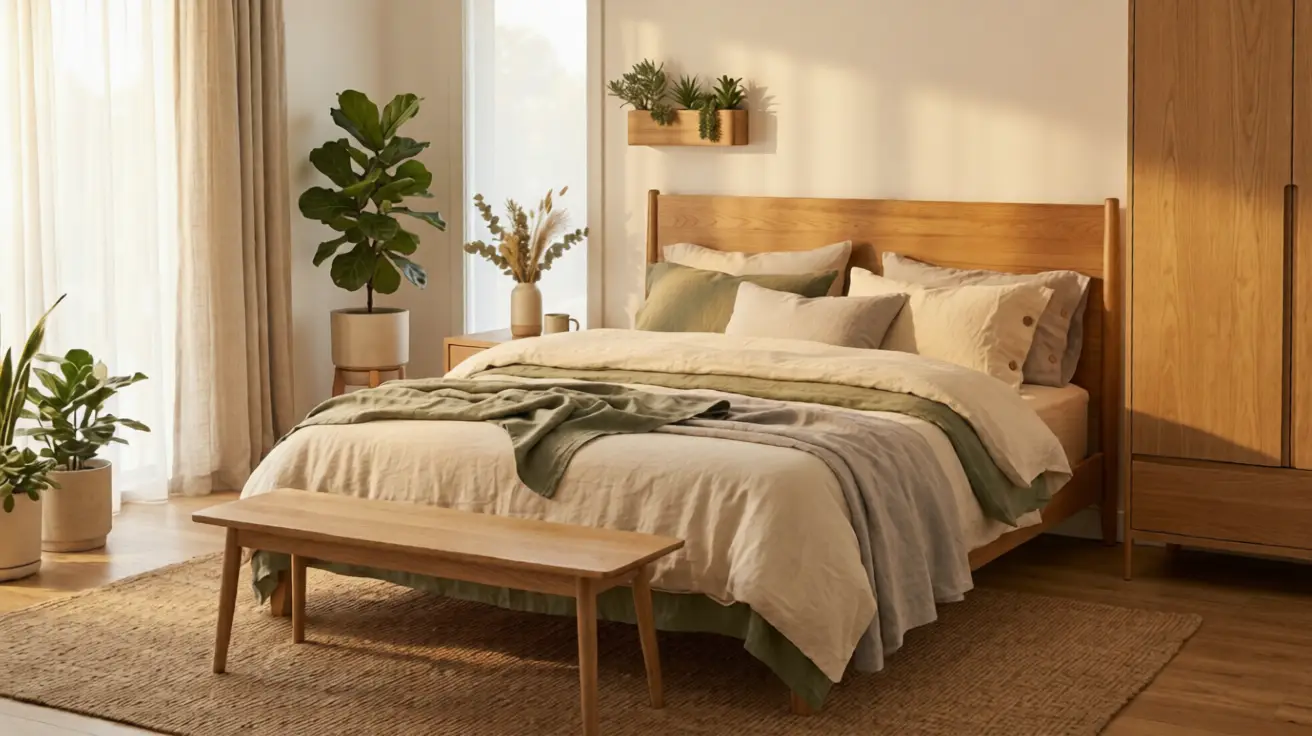
Bed Threads turned linen bedding into a design statement. The Australian brand offers its 100% French flax sheets in dozens of shades, from muted sage and terracotta to bold mustard and rust. You can also mix and match individual pieces instead of buying a fixed set, which no other brand on this list does as well.
The linen itself holds its own. It’s soft, breathable, and takes dye beautifully thanks to flax’s natural texture, which gives even bright colors an earthy, organic look.
What we like:
- The best color range in the linen category, full stop
- Build-your-own-set flexibility
- Solid cooling performance for the price
What we don’t:
- Shipping from Australia can take longer for US orders
- The fitted sheet elastic is a little less snug than Quince’s
Who should buy it: Design-minded shoppers who want their bed to look as good as it feels.
Who should skip it: Anyone who needs sheets by this weekend.
6. Coyuchi Organic Relaxed Linen — Best Organic Pick
If certifications matter to you, Coyuchi is the clear choice. Its Relaxed Linen line is made from 100% organic linen, and the brand has built its entire identity around traceable, low-impact production.
The “relaxed” in the name is accurate. This linen has a softer, slouchier drape than crisper European sets, which some sleepers love and others find too casual. It breathes exceptionally well and develops a beautiful worn-in character over years, not months.
What we like:
- Fully organic with credible third-party certifications
- Soft, garment-washed feel from day one
- Built to last a decade with proper care
What we don’t:
- Premium pricing, even during sales
- The relaxed weave wrinkles more than average, even by linen standards
Who should buy it: Shoppers who prioritize organic materials and plan to keep their sheets for years.
Who should skip it: Anyone who prefers a crisp, structured bed. This linen slouches by design.
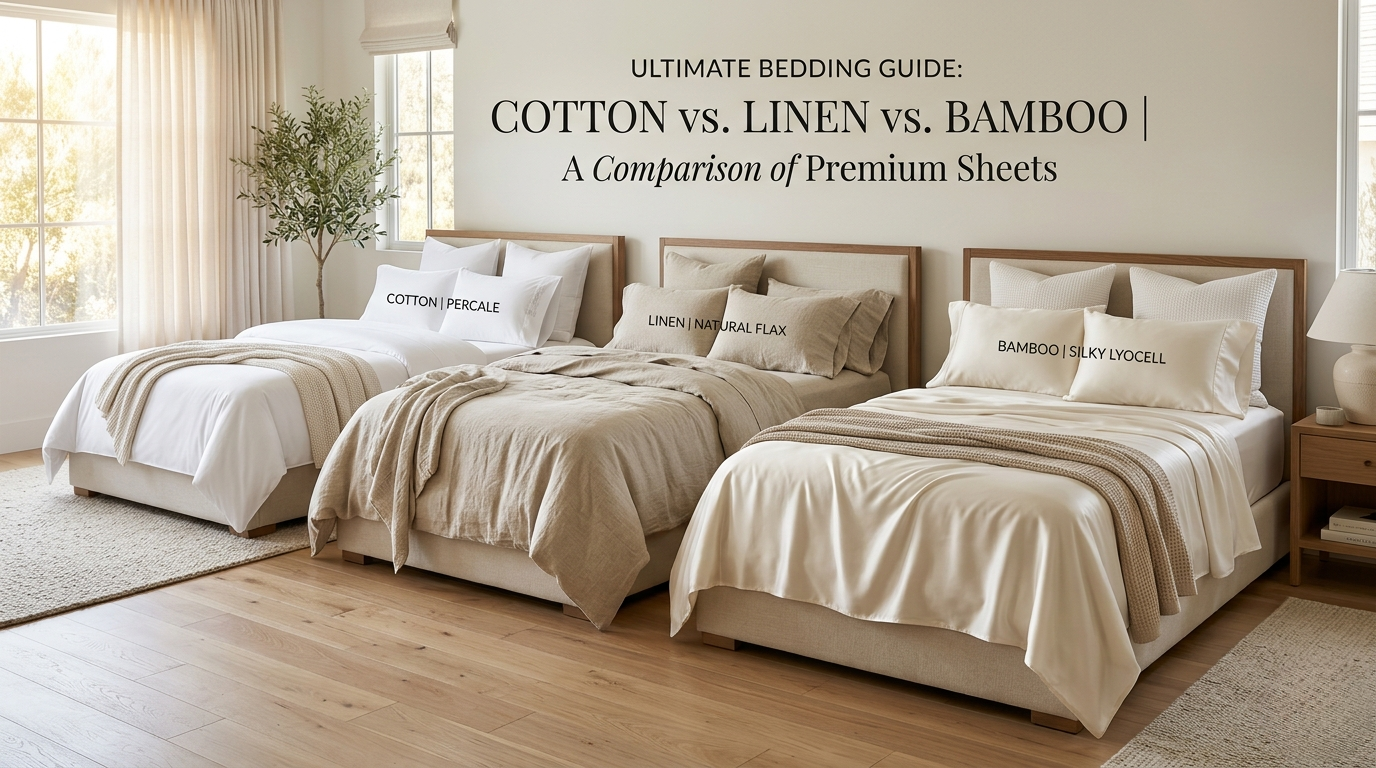
Why Linen Beats Cotton for Hot Sleepers
Cotton is comfortable, but linen wins on cooling for three measurable reasons:
- Hollow fibers. Flax fibers are naturally hollow, so heat escapes instead of building up under the covers.
- Loose weave. Linen is woven with more space between threads than percale or sateen cotton, allowing constant airflow.
- Moisture handling. Linen can absorb a significant amount of moisture before it feels damp, then releases it quickly. Cotton absorbs sweat and holds onto it.
Linen also outlasts cotton. The fibers are stronger, so a well-made set typically survives years of weekly washing where cotton starts thinning. The trade-off is texture: linen starts crisper and softens over time, while cotton is smooth immediately.
How to Choose the Right Linen Sheets
A few things separate great linen from disappointing linen:
Flax origin. European flax (Belgium, France, Lithuania) is the industry gold standard. The climate there produces long, strong fibers. Most quality brands state their flax source clearly; vague labeling is a red flag.
Weight. Linen weight is measured in GSM (grams per square meter). Around 160 to 190 GSM suits hot sleepers. Heavier fabric feels more substantial but sleeps warmer.
Stonewashing. Pre-washed or stonewashed linen arrives softer and won’t shrink much. Skip anything that isn’t pre-washed unless you enjoy surprises.
Certifications. OEKO-TEX Standard 100 means the fabric was tested for harmful chemicals. GOTS certification adds organic farming standards on top.
Fitted sheet depth. Check your mattress height before ordering. Many linen fitted sheets max out at 14 to 16 inches.
Caring for Linen Sheets
Linen is low-maintenance if you follow a few rules. Wash in cold water on a gentle cycle, tumble dry on low, and pull the sheets out while slightly damp to reduce wrinkling. Skip bleach and fabric softener; both weaken flax fibers over time. Wool dryer balls speed up softening naturally.
And about the wrinkles: they’re part of the deal. Linen resists lying flat by nature. If a perfectly smooth bed matters to you, either embrace the iron or consider percale cotton instead.
FAQ
Are linen sheets worth the money?
For hot sleepers, yes. Linen cools better than cotton, lasts longer, and improves with age. A quality set costs more upfront but often outlives two or three cotton sets, which evens out the math over time.
Do linen sheets feel scratchy?
New linen has texture, but stonewashed sets like Sijo and Quince feel soft from the first night. All linen softens further with every wash. If yours still feels rough after ten washes, the flax quality is likely the issue.
How often should I wash linen sheets?
Once a week, same as any sheets. Linen actually handles frequent washing better than cotton because the fibers strengthen when wet.
Is French or Belgian flax better?
Neither is objectively superior. Both regions grow excellent long-fiber flax. What matters more is how the fabric is spun, woven, and finished. A well-made French flax sheet beats a poorly made Belgian one every time.
Can I use linen sheets in winter?
Yes. Linen regulates temperature in both directions, trapping warmth in cold months and releasing it in warm ones. Mid-weight sets like Saatva and Quince work year-round. Ultra-light summer linen may feel thin under heavy blankets in January.
Why do linen sheets wrinkle so much?
Flax fibers naturally resist bouncing back into shape, so wrinkles are built into the fabric. Most owners consider the relaxed, rumpled look part of linen’s appeal. Removing sheets from the dryer while damp keeps wrinkling manageable.
The Bottom Line
For most people, the Quince European Linen Sheet Set is the smartest buy of 2026. It matches sets twice its price on material quality, cooling, and durability. If budget isn’t a concern, Brooklinen’s Linen Core offers more colors and a slightly lighter feel, while Saatva delivers the most refined linen experience for people who want one set that works all year.
Whatever you pick, buy from a brand with a real return policy and give the sheets three or four washes before judging them. Linen rewards patience. By the end of summer, you’ll wonder why you slept on anything else.