
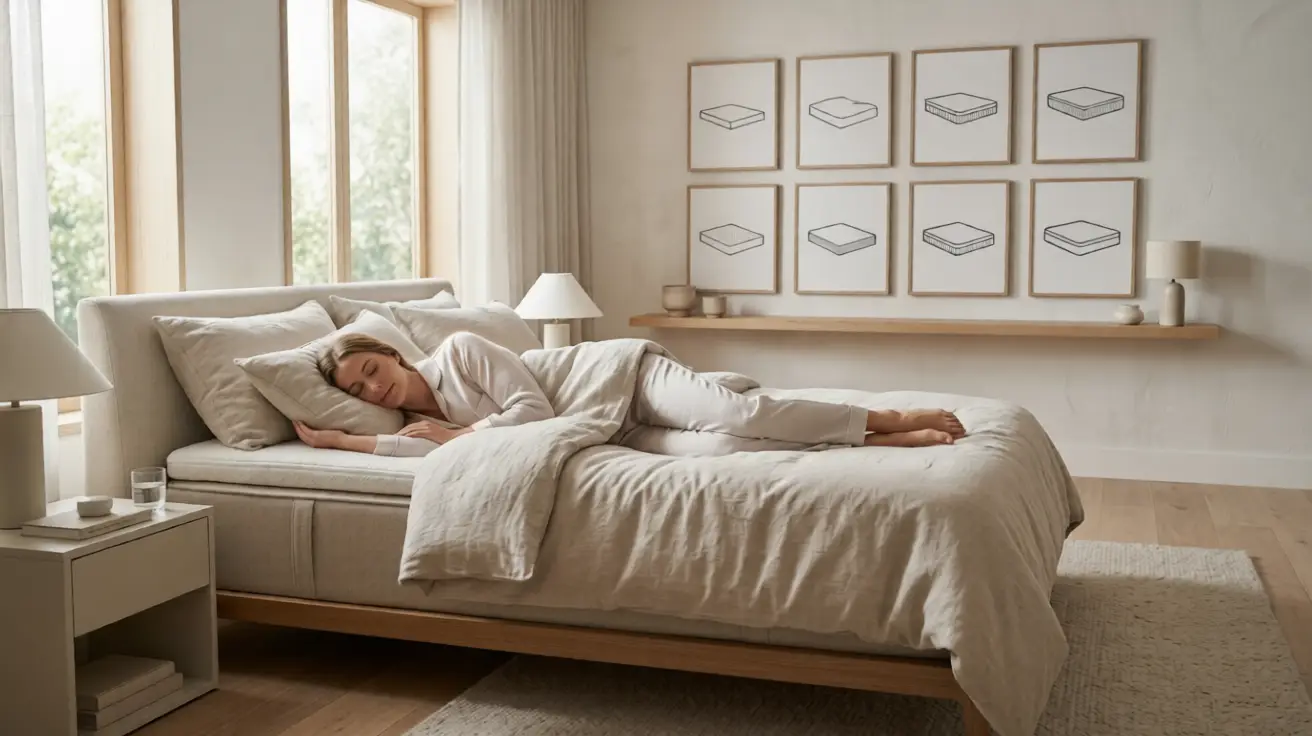

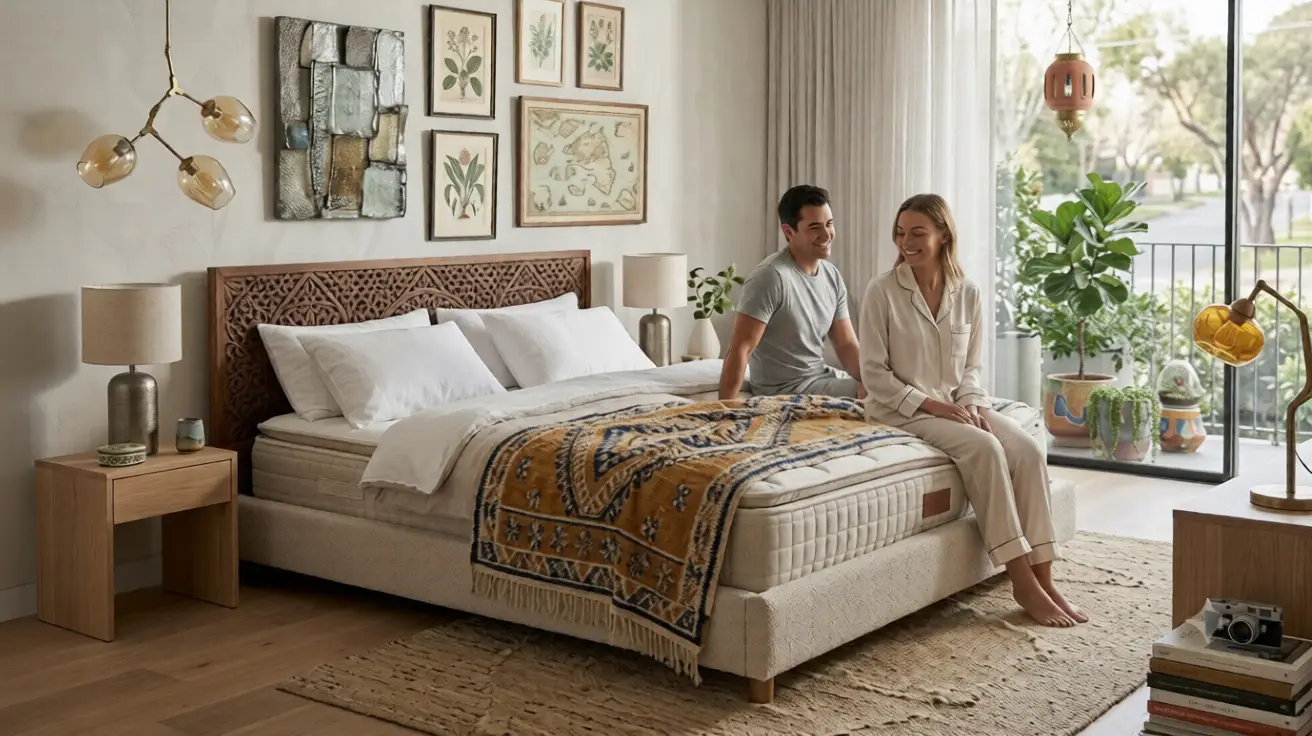
Sharing a bed sounds romantic until your partner rolls over at 3 a.m. and you feel the whole mattress shake. Or until one of you ends up clinging to the edge because the other has claimed the middle. If either of those sounds familiar, the problem probably isn’t your relationship. It’s your mattress. Choosing the Best Mattress for Couples can make all the difference by reducing motion transfer, providing better support, and giving both partners the space they need for a comfortable night’s sleep.
The best mattress for couples needs to do two things well that single-sleeper beds can ignore: absorb movement so you don’t feel each other tossing and turning, and stay supportive all the way to the perimeter so both of you can use the full width of the bed. Temperature matters too, since two bodies generate a lot more heat than one.
We dug into 2026’s most rigorously tested mattresses, comparing lab results and hands-on reviews from testing teams that measure motion transfer, edge sinkage, and surface temperature with actual instruments. Here’s what came out on top.
Quick Picks
| Mattress | Best For | Type | Queen Price (before discounts) |
| Helix Midnight Luxe | Best overall for couples | Hybrid | ~$1,899 |
| Nectar Premier Memory Foam | Best motion isolation | Memory foam | ~$1,100–$1,500 |
| WinkBed | Best edge support | Hybrid | ~$1,499 |
| Bear Elite Hybrid | Best for mismatched firmness preferences | Hybrid | ~$1,700–$2,000 |
| Tempur-Pedic TEMPUR-Adapt | Best for very light sleepers | Memory foam hybrid | ~$2,000+ |
| Nectar Classic | Best budget pick | Memory foam | Under $1,000 |
Prices shift constantly with promotions, and most of these brands run near-permanent sales, so treat these as ballpark figures.
Why Motion Isolation and Edge Support Matter More Than Anything Else
Before the reviews, a quick explanation of the two tests that decide whether a mattress works for two people.
Motion isolation measures how much movement travels across the bed. Testing labs check this in different ways. Forbes Vetted places a glass of water on one side of the bed while a tester rolls around and jumps in and out on the other, watching how much the water wobbles. Other labs run partner-movement drop tests and measure the vibration range in meters per second squared. If a mattress scores poorly here, a light sleeper will feel every position change their partner makes.
Edge support determines how much of the mattress you can actually use. A queen bed gives each person about 30 inches of width. If the outer six inches collapse when you lie near them, you’ve effectively lost 20 percent of your space and you’ll both drift toward the middle. Strong edges also make it easier to sit while getting dressed or getting out of bed.
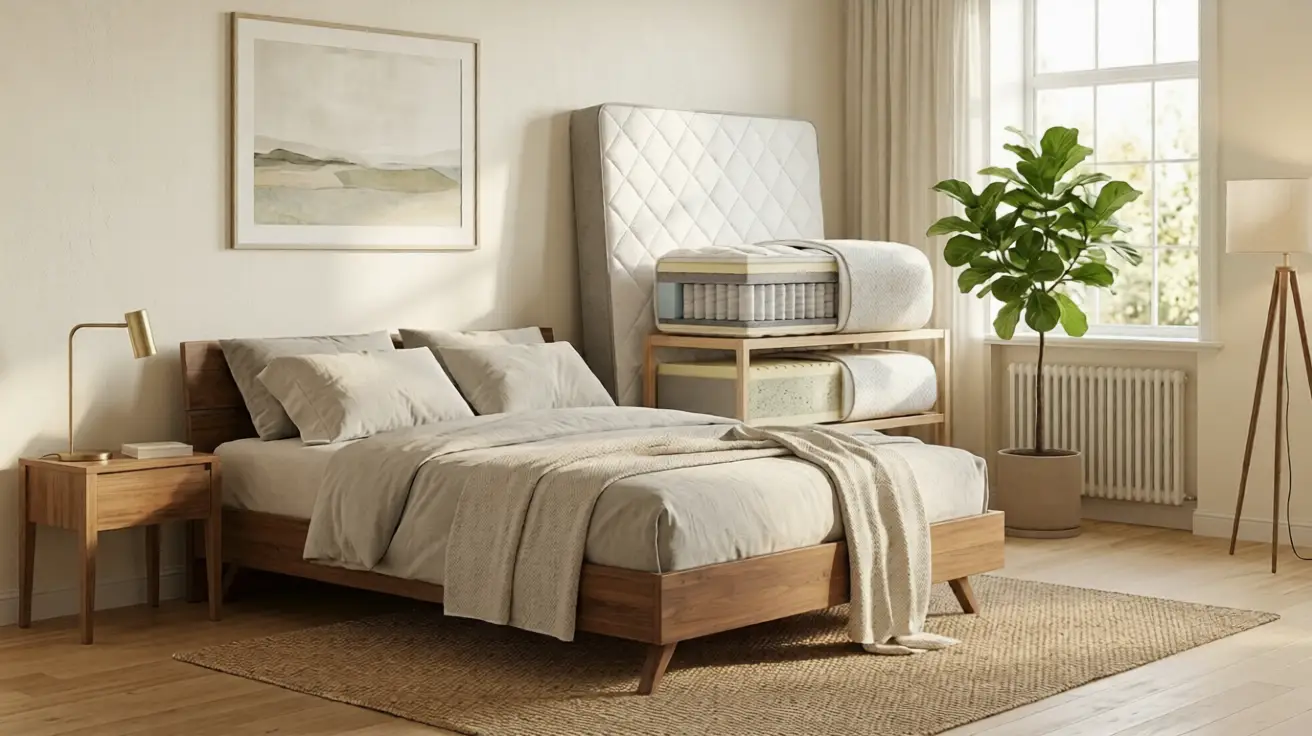
There’s a built-in tension between these two qualities. The soft, slow-moving foams that absorb motion best tend to have squishy edges and trap heat. The sturdy coil systems that hold up the perimeter tend to transfer more bounce. The best couples’ mattresses are almost all hybrids for exactly this reason: they use pocketed coils (which move independently) topped with foam, splitting the difference.
1. Helix Midnight Luxe: Best Overall for Couples
The Helix Midnight Luxe keeps showing up at or near the top of couples’ rankings across independent testing sites, and the reasons are consistent from lab to lab.
Sleep Foundation’s test team found it performed well across the board, sleeping cool, isolating motion, relieving pressure, and feeling secure along the perimeter, with a medium-firm balance that suits most side and back sleepers. Dweva’s motion testing measured it at 6.6 m/s², which is notably quiet for a hybrid, and testers found the steady perimeter made it easier to use the bed’s full width without feeling pulled toward the center. NapLab scored it 10/10 for cooling, edge support, and pressure relief, placing it among the top 2 percent of all mattresses they’ve tested.
The construction explains the results. A Euro-top with three foam layers sits over pocketed coils, with thicker coils under the torso and hips to prevent sinkage and reinforced coils around the perimeter.
Pros
- Strong scores in every category that matters for couples, not just one or two
- Zoned lumbar support helps back pain sufferers
- Optional GlacioTex cooling cover essentially eliminates heat retention
Cons
- The contouring memory foam makes it slightly harder to move around on, which could bother sleepers with mobility issues
- At around $1,899 for a queen, it’s a real investment
- Motion isolation is very good but not perfect; extremely light sleepers may want memory foam instead
Who should buy it: Couples who want one bed that does everything well, especially side and back sleeper pairings, and hot sleepers willing to add the cooling cover.
Who should skip it: Strict stomach sleepers, who generally need something firmer, and anyone shopping under $1,500.
2. Nectar Premier Memory Foam: Best Motion Isolation
If your top priority is never feeling your partner move, memory foam still beats coils, and the Nectar Premier is the standout in 2026 testing.
In AARP’s lab evaluation, testers placed a beaker of water on one side while someone bounced on the other, and the water barely moved, earning the Nectar Premier a perfect motion isolation score. That’s the result you want if one of you is a restless sleeper and the other wakes at the slightest disturbance.
What makes this pick unusual for an all-foam bed is the perimeter. Most foam mattresses have weak edges, but this one earned strong edge support marks, letting couples reposition without feeling like they might roll off.
Pros
- Near-perfect scores for motion isolation, spinal alignment, pressure relief, and edge support, plus a lifetime warranty and 365-night trial
- Excellent pressure relief for side sleepers
- Long trial period takes the risk out of buying online
Cons
- Temperature regulation was only so-so in cooling tests
- The slow, hugging foam feel isn’t for everyone, and it makes changing positions harder
- Less bounce and responsiveness than hybrids, which some couples care about
Who should buy it: Light sleepers paired with restless partners, and side sleepers who like a cradling feel.
Who should skip it: Hot sleepers and people who dislike sinking into their mattress.
3. WinkBed: Best Edge Support
The WinkBed is the pick for couples who spread out and use every inch of the bed, or who sit on the edge a lot.
Sleep Foundation’s testers noticed generous pushback when lying near or sitting along the perimeter, particularly on the firm and Plus models. NapLab rates it the best-performing hybrid they’ve tested to date, and at $1,499 for a queen it undercuts many luxury competitors. Cooling is another strength. Air moves freely through the coil system, and the Tencel cover is breathable and moisture-wicking, so hot sleepers should stay comfortable.
The honest trade-off is motion isolation. The thick pillow top absorbs some movement, but especially restless sleepers may still disturb their partners. If motion transfer worries you, the medium soft firmness earned the highest motion isolation marks of the lineup.
Pros
- Class-leading edge support means the full surface is usable
- Four firmness options and a generous exchange policy if you pick wrong
- Sleeps cool without any add-ons
- Responsive, bouncy feel that many couples prefer for intimacy
Cons
- Motion isolation is below average; testers could feel a partner’s movements, though they weren’t severe
- The thick pillow top can make it harder to glide across the surface
Who should buy it: Couples who prioritize space, edge use, and cooling, plus back and stomach sleepers and heavier sleepers (the Plus model is built for bodies over 230 pounds).
Who should skip it: Very light sleepers sharing a bed with someone who tosses and turns.
4. Bear Elite Hybrid: Best for Couples Who Disagree on Firmness
Plenty of couples hit a wall because one person wants plush and the other wants firm. The Bear Elite Hybrid handles this better than most because it comes in three genuinely different firmness levels.
Forbes Vetted named it the best mattress for couples overall after testing over 200 mattresses, citing its motion isolation, edge support, and a balanced feel that suits a range of positions. In their water-glass test it scored 8 out of 10 for motion isolation, with one tester noting the glass barely wobbled no matter what movements they made. Reinforced coils around the perimeter give it solid edge support too.
Their firmness guidance is practical: soft for strict side sleepers, medium for side, back, and combination sleepers, and firm for stomach sleepers and heavier bodies.
Pros
- Three firmness options make it easy to find a compromise
- Responsive feel that suits combination sleepers and sexually active couples
- Well-rounded 4.3 out of 5 overall test score, including a perfect rating for silence
Cons
- Cooling was its weakest test result, though still around average; the upgraded Celliant pillow top helps hot sleepers
- Even the firmest version may be too soft for heavyweight stomach sleepers
- Luxury pricing
Who should buy it: Couples with different position preferences, athletes, and anyone who wants a plush-but-supported feel.
Who should skip it: Budget shoppers and heavyweight stomach sleepers.
5. Tempur-Pedic TEMPUR-Adapt: Best for Very Light Sleepers
Sometimes only the calmest possible surface will do. After rotating through ten beds, Dweva’s testers said the TEMPUR-Adapt is the one they’d buy for most couples, delivering the calmest overall surface in their hands-on motion tests, with a 4.5 m/s² vibration reading that faded quickly and edge support solid enough for everyday use.
That’s meaningfully quieter than even the best hybrids on this list. If one partner works night shifts, gets up multiple times, or shares the bed with a co-sleeping child, this level of motion absorption is the difference between broken and unbroken sleep.
Pros
- The best motion damping of any bed here
- Excellent pressure relief for hips and lower back
- Tempur-Pedic’s dense foams have a strong durability track record
Cons
- Slow rebound means it doesn’t recover quickly if you toss and turn, and it can sleep a bit warm
- Premium price
- Deep contouring makes movement and position changes slower
Who should buy it: Couples where one person is an extremely light sleeper, and fans of the classic deep memory foam hug.
Who should skip it: Hot sleepers, restless combination sleepers, and anyone who wants bounce.
6. Nectar Classic: Best Budget Pick
Not every couple wants to spend $1,500 or more, and you don’t strictly have to. The Nectar Classic pairs a below-average price with free shipping and a year-long trial, and its plush all-foam design excels at pressure relief and motion isolation. Mattress Nerd gave it a 5 out of 5 for motion isolation, meaning you won’t feel your partner moving at night.
The compromises are predictable for a budget foam bed. It can sleep warm, and edge support is weak, so sleepers near the perimeter may feel themselves sinking in.
Who should buy it: Couples on a budget where motion transfer is the main complaint.
Who should skip it: Hot sleepers, edge sitters, and couples who want to use the full width of the bed. If you like Nectar but sleep hot, the Nectar Hybrid is the better call.
How to Choose a Mattress as a Couple
Pick the right type first
Each construction has a clear personality when two people share it:
- Memory foam absorbs motion better than anything else and stays silent, but it runs warm, has softer edges, and can feel restrictive. Most foam beds deliver weak edge support, so check reviews for exceptions.
- Hybrids are the default recommendation for couples. They handle motion and noise well, and they’re responsive enough to make movement (including sex) easier. Look specifically for pocketed coils, which reduce motion transfer compared to connected coil systems.
- Innerspring beds are bouncy and breathable but tend to deliver below-average motion isolation, and they can get noisy as they age.
- Latex offers a responsive, breathable, natural option that isolates motion and reduces noise, though edge support can be a weak point.
Go king if your room allows it
A queen gives each adult roughly the width of a crib. Motion isolation and edge support both matter less when you simply have more space. If your bedroom fits a king, the upgrade usually improves shared sleep more than any single construction feature.
Split the difference on firmness
Medium-firm (around 6 to 6.5 out of 10) is the safest compromise for couples with different preferences, since it supports back sleepers while giving side sleepers enough give at the shoulders and hips. If your preferences are far apart, choose a brand with multiple firmness options like Bear or WinkBed, or consider a split king with two twin XL mattresses.
Use the trial period properly
Every bed on this list comes with a home trial of 100 nights or more. It takes two to four weeks for your body to adjust to a new mattress, so don’t judge it in the first few nights. Test the things that matter for couples specifically: have one person get in and out of bed while the other lies still, and both lie near the edges to check for roll-off.
Frequently Asked Questions
What is the best mattress type for couples?
Hybrid mattresses with pocketed coils are the best choice for most couples. They combine foam’s motion absorption with coil-based edge support, airflow, and responsiveness. Memory foam wins if motion isolation is your single biggest concern; hybrids win on everything else.
What firmness should couples choose?
Medium-firm suits the widest range of pairings. It supports back and stomach sleepers while still cushioning side sleepers’ shoulders and hips. If one partner is much heavier or you strongly disagree, pick a brand with multiple firmness levels or go with a split king.
Do couples need a king-size mattress?
No, but it helps. A queen gives each person about 30 inches of width, while a king gives 38. Couples with restless sleepers, pets, or kids who visit the bed will notice the extra space immediately. If your room is smaller, a queen with strong edge support recovers some of that usable width.
Is memory foam or a hybrid better for couples?
Memory foam absorbs motion better and is completely silent, but it sleeps warmer, has weaker edges, and feels harder to move on. Hybrids trade a little motion isolation for cooling, bounce, and sturdier perimeters. Light-sleeper couples lean foam; everyone else usually does better on a hybrid.
How much should couples spend on a good mattress?
Expect $1,000 to $2,000 for a queen that performs well in motion isolation and edge support, though frequent sales bring quality options like the Nectar Classic under $1,000. Spending more than $2,500 mostly buys premium materials and cooling tech rather than dramatically better couple-specific performance.
What about mattresses and sex?
Responsiveness matters here. Bouncier, more responsive beds make movement easier, which is why many couples prefer hybrids over slow-moving memory foam. The WinkBed and Bear Elite Hybrid are the most responsive picks on this list; the Tempur-Adapt is the least.
The Bottom Line
If you want one recommendation, get the Helix Midnight Luxe. It’s the rare bed that scores highly on motion isolation, edge support, and cooling at the same time, which is exactly the combination sharing a bed demands. Light-sleeper couples should look hard at the Nectar Premier or Tempur-Adapt instead, couples who sprawl should pick the WinkBed, and pairs who can’t agree on firmness will appreciate the Bear Elite Hybrid’s three options.
Whatever you choose, buy from a brand with a long trial period and actually use it. No spec sheet can tell you how a bed feels with both of you on it at 3 a.m. The trial can.