


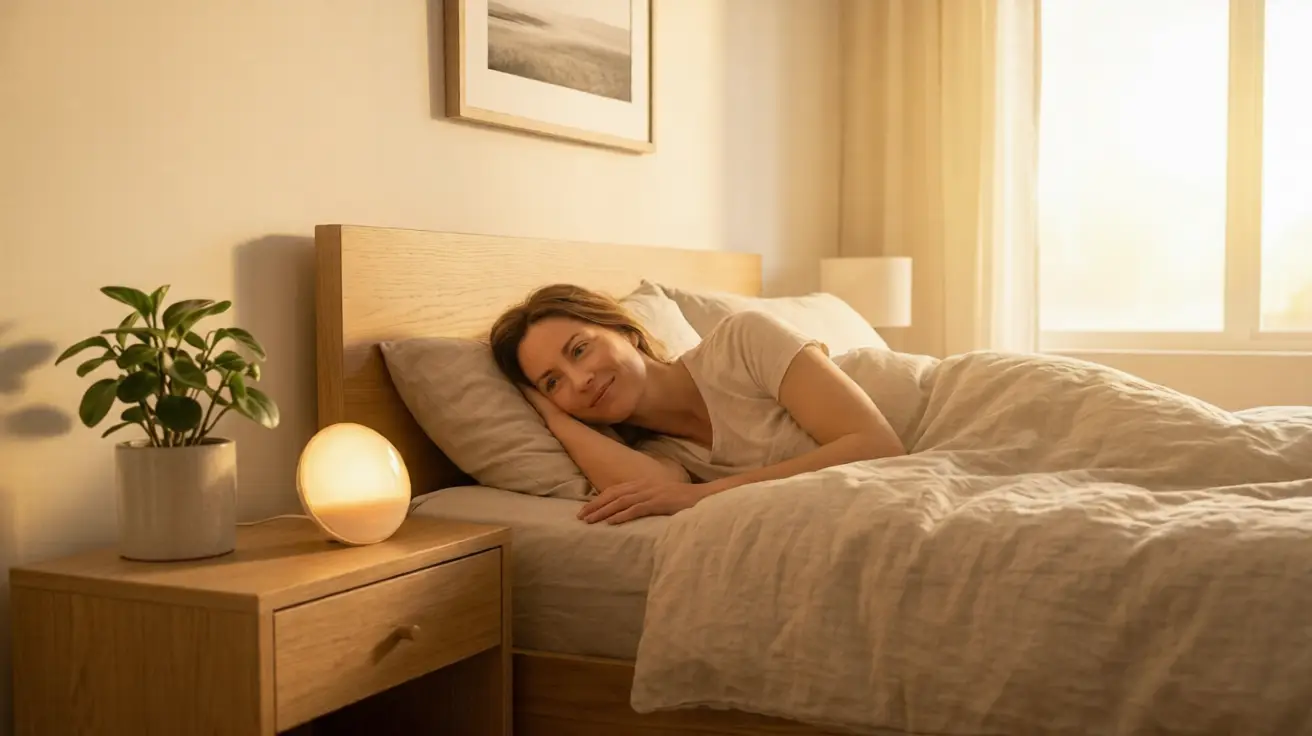
There’s a reason waking up to a phone alarm feels so bad. Your body isn’t designed to go from deep sleep to full alert in two seconds. It’s designed to respond to light that builds slowly, the way dawn actually happens.
A sunrise alarm clock recreates that. It starts glowing 20 to 60 minutes before your wake time and gradually brightens, nudging you out of deep sleep so you surface feeling rested instead of jolted. Sleep experts back this up. Gradual light exposure lowers melatonin, the hormone that keeps you asleep, and raises cortisol, the one that gets you moving, which makes climbing out of bed noticeably easier.
The catch is that quality varies wildly. The label “sunrise alarm clock” covers everything from a $25 dimming nightlight to a $300 light therapy lamp, and the cheap ones often never get bright enough to actually wake you. So we dug through independent lab tests, expert reviews, and hundreds of real user experiences to find the models actually worth your money in 2026.
Quick Picks
| Model | Best For | Approx. Price | App Required? |
| Hatch Restore 3 | Best overall | $170 | Yes (optional subscription) |
| Philips SmartSleep HF3520 | Best classic, no subscription | $160 | No |
| Lumie Bodyclock Shine 300 | Best no-app, brightest ramp | $150 | No |
| Dreamegg Sunrise 1 | Best under $100 | $80 | Optional |
| Jall Wake Up Light | Best cheap pick | $40 | No |
| Reacher Wood Grain | Best looking | $50 | No |
1. Hatch Restore 3: Best Overall
The Restore 3 tops nearly every major 2026 roundup, and after looking at why, it’s hard to argue. Tom’s Guide calls it simply the best sunrise alarm clock you can buy online right now, praising how it handles both winding down at night and waking up with energy. It’s really three devices in one: sunrise alarm, sound machine, and night light.
The evening side is what separates it from everything else. Most wake-up lights only handle the morning, while the Hatch runs your whole evening, from a warm reading-light wind-down to a low night light to sleep sounds that play until your sunrise kicks in. One nice practical touch from long-term users: a physical side button lets you switch the alarm off for a holiday without touching the app.
The honest downside is the subscription question. A Hatch+ plan costs $4.99 a month or $49.99 a year and unlocks a much larger library of sounds and guided content. The good news: the sunrise, sunset, and light functions work completely independently of the subscription, and several free sounds are included. If all you want is light plus white noise, the free tier is enough.
Pros: Sunrise and sunset simulation, excellent speaker, phone-free controls, looks great on a nightstand
Cons: Pricey, best content sits behind a subscription, setup requires the app
Buy it if: You want one device to replace your phone, sound machine, and alarm.
Skip it if: You hate subscriptions on principle or just want a simple light.
2. Philips SmartSleep HF3520: Best Without a Subscription
Philips basically invented this category, and the HF3520 is still the model sleep researchers name most often. It brightens from dim red to full warm white over 30 minutes in a colored gradient designed to mimic a real sunrise, not just a generic fade-up, and includes a matching 30-minute sunset wind-down for bedtime.
It nails the small stuff too. You get five natural wake sounds, FM radio, tap-to-snooze on the top of the lamp, and a display that auto-dims based on ambient light so the clock face doesn’t glare at you all night. No app, no account, no monthly fee. You set it once and it just works, year after year.
Pros: Clinically tested sunrise, no app or subscription, auto-dimming display, proven reliability
Cons: Only two alarm slots, dated design, no Bluetooth
Buy it if: You want the most trusted sunrise simulation with zero ongoing costs.
Skip it if: You change your wake time constantly and want app scheduling.
3. Lumie Bodyclock Shine 300: Best No-App Pick
Lumie is the UK brand that light therapy clinics tend to trust, and the Shine 300 is its sweet spot. One independent tester who measured 15 clocks with a light meter found the Shine 300 hits 360 lux at the bedside, making it the brightest, most adjustable traditional sunrise clock tested, with the longest ramp available and no hub or app required. That brightness figure matters more than any marketing claim, because a dim sunrise lamp simply won’t wake you.
One quirk worth knowing before you buy: some cheaper Lumie models make you re-enable the alarm every single day after switching it off in the morning. The Shine 300 avoids this with per-day alarm settings, which is part of why it’s worth the step up over the entry-level Lumies.
Pros: Genuinely bright, up to 90-minute ramp, individual alarms per day, no app needed
Cons: Menu buttons feel dated, no smart features
Buy it if: You want maximum light output with old-school simplicity.
Skip it if: You want sleep sounds and routines beyond a basic wake-up.
4. Dreamegg Sunrise 1: Best Under $100
Not everyone needs a $170 sleep system. The Dreamegg Sunrise 1 runs about $80 and packs in customizable routines and 29 sounds without crossing the $100 mark. It’s the best middle ground between the bare-bones budget clocks and the premium smart lamps, and a solid first sunrise clock if you’re not sure the concept will work for you.
Pros: Strong feature set for the price, plenty of sound options, no subscription
Cons: Light quality isn’t as refined as Philips or Lumie
5. Jall Wake Up Light: Best Cheap Pick
At around $40, the Jall is the budget option most big publications keep recommending. Its sunrise builds from 10% to 100% brightness over 10 to 60 minutes, and it includes over a dozen lighting modes, 25 built-in sounds, FM radio, and Bluetooth for playing your own music. Manage your expectations on brightness and build quality, but as a low-risk way to test whether light-based waking works for you, it’s hard to beat.
Pros: Very affordable, surprisingly full feature list, Bluetooth speaker
Cons: Dimmer than premium picks, plasticky build
6. Reacher Wood Grain: Best Looking
If most sunrise clocks look too gadgety for your bedroom, the Reacher’s warm wood grain finish and big, easy controls make it feel more like decor than tech, and at roughly $50 it won’t hurt your wallet either.
What Actually Matters When Choosing One
Brightness at real distance. This is the number one thing spec sheets hide. Independent meter testing found good clocks put 275 to 395 lux at 18 inches from a panel aimed at your pillow, while a phone screen manages maybe 50 lux. That’s also why phone apps that simulate sunrise rarely work. The light dose is just too weak.
Ramp length. A 30-minute sunrise suits most people. Very deep sleepers often do better with 45 to 60 minutes.
Alarm flexibility. Smart models like the Hatch are the obvious choice if your wake time changes often or you work shifts, since you set everything in the app once and forget it. Simpler clocks may only offer one or two alarm slots.
Display darkness. If you sleep in a blackout room, make sure the clock face can go fully dark. Some budget models never turn off completely.
Backup sound. Every good sunrise clock still includes an audio alarm that fires at your set time. The light does the gentle lifting, the sound is your safety net.
Do Sunrise Alarms Work for Heavy Sleepers?
Mostly yes, with a caveat. Sleep psychologist Shelby Harris notes they’re especially helpful for people who hate being jolted awake, who wake in the dark, or who live somewhere with little winter sunlight. But if you’re a genuinely heavy sleeper, buy a bright model (Lumie or Philips) rather than a budget one, and keep the sound alarm on. Even happy Hatch owners suggest a backup alarm for very heavy sleepers during the first few mornings.
Who Should Skip a Sunrise Alarm Clock
Be honest with yourself here. If you already wake up fine, this is a nice-to-have, not a need. And if your room gets strong natural morning light, opening the curtains is free. These clocks earn their price in dark winters, windowless bedrooms, blackout-curtain households, and pre-dawn wake-ups.
FAQ
Do sunrise alarm clocks really work?
Yes, for most people. Gradually increasing light suppresses melatonin and raises cortisol, which is exactly how your body naturally prepares to wake. The key is buying one bright enough, roughly 250 lux or more at bedside distance. Dim budget models often fail simply because the light never reaches your eyelids with enough intensity.
Can I just use my phone’s sunrise feature instead?
You can try, but the light output is the problem. A phone screen delivers a fraction of the light a dedicated wake-up lamp does, even held close to your face. It’s better than a blaring alarm, but it won’t reliably wake most people on its own.
How long before my alarm should the sunrise start?
Most people do well with 30 minutes. Light sleepers sometimes prefer 20, while deep sleepers should try 45 to 60. Nearly every model on this list lets you adjust the ramp length.
Is the Hatch Restore 3 worth it without the subscription?
Yes, if the sunrise and basic sounds are what you’re after. The light functions and a set of core sleep sounds are free forever. The subscription only matters if you want the full library of meditations, stories, and premium soundscapes.
Are sunrise alarm clocks good for seasonal low mood in winter?
They help many people feel less groggy in dark months, and brands like Lumie come from the light therapy world. That said, a wake-up light is not a medical treatment. If winter seriously affects your mood, talk to a doctor about proper light therapy.
Final Verdict
The Hatch Restore 3 is the best sunrise alarm clock for most people in 2026 because it improves both ends of your night, not just the wake-up. If you refuse to pay subscriptions, the Philips SmartSleep HF3520 remains the gold standard for pure sunrise simulation, and the Lumie Shine 300 wins on raw brightness. On a tight budget, start with the Jall or Dreamegg and upgrade later if the concept clicks for you.
Whichever you pick, give it two weeks before judging. Your body needs a few mornings to sync with the new light cue. Once it does, that daily jolt of alarm panic starts feeling like a relic from another life.